Architraves, often overlooked in the broader spectrum of architectural elements, play a vital role in enhancing both the aesthetic and structural qualities of interior spaces door frames . Traditionally defined as the moulded frame surrounding a doorway, window, or other opening, architraves serve as a transitional feature between wall surfaces and functional fixtures. In classical architecture, they were prominent in temples and large public buildings, while today, they continue to adorn residential and commercial properties alike. Their subtle but striking impact makes them a favorite among designers seeking to add refined detail and elegance to interiors.
From a decorative standpoint, architraves contribute significantly to a room’s overall character. Whether they’re crafted in minimalist flat designs or ornate profiles with intricate patterns, architraves can be used to express a variety of design aesthetics—from modern and contemporary to traditional and classical. In period-style homes, decorative architraves replicate historical motifs, lending authenticity and charm. In modern builds, clean-lined architraves provide a neat and polished finish that complements streamlined interiors. Their presence frames doors and windows in a visually pleasing way, drawing the eye and giving spaces a cohesive, well-finished look.
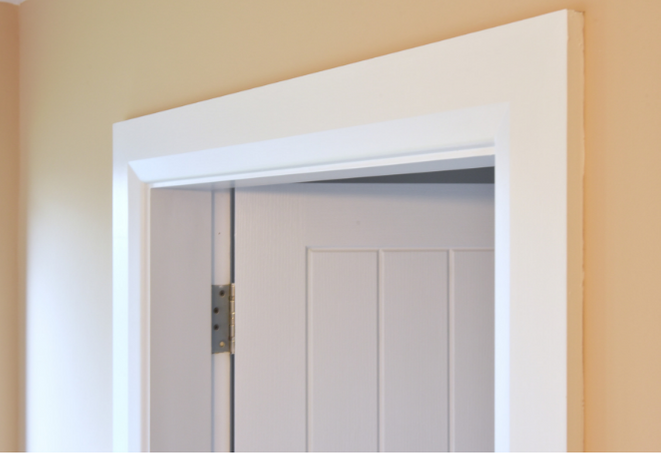
Functionally, architraves are more than just trim pieces; they serve to hide unsightly construction joints and imperfections between walls and frames. During construction or renovation, gaps or uneven finishes can occur around doorways and windows. Architraves effectively conceal these flaws, providing a professional and polished outcome. Furthermore, they add a layer of protection to wall edges that experience regular wear and tear, especially around frequently used doors. This blend of form and function underscores why architraves are a standard component in both high-end and budget-conscious interior design.
Materials and manufacturing techniques have evolved, giving homeowners and builders a wide range of architrave options to suit different budgets and needs. Traditionally made from timber, architraves are now available in MDF (medium-density fibreboard), polyurethane, and even PVC. Timber architraves offer durability and a natural appearance, ideal for staining and painting. MDF options are cost-effective, smooth, and easy to work with, while polyurethane versions are lightweight, resistant to moisture, and suitable for areas prone to humidity, such as bathrooms and kitchens. The variety of materials available ensures that architraves remain accessible and adaptable to various project requirements.
Installation of architraves requires precision and craftsmanship to achieve a seamless finish. Typically, they are mitered at the corners to form a clean frame around the doorway or window. Some modern systems offer pre-cut kits that simplify the installation process for DIY enthusiasts. In large-scale commercial projects, machine-cut and pre-primed architraves save time and labor costs, while still delivering a high-quality result. Regular maintenance involves dusting and occasional repainting, especially in high-traffic areas, to keep them looking fresh and new. When properly maintained, architraves can last for decades, maintaining their elegance and function over time.
In conclusion, architraves are a timeless architectural detail that continues to enhance the visual and functional aspects of interior design. Their dual role—covering construction flaws while contributing to room aesthetics—makes them a valuable addition to any building. With the wide range of styles, materials, and finishes now available, homeowners and designers can easily incorporate architraves into both new constructions and renovations. Whether seeking a subtle edge or a bold decorative statement, architraves offer a finishing touch that brings cohesion, style, and durability to any space.
About the Author
